Dead Brush: The Handwritten Brush Font for Modern Design
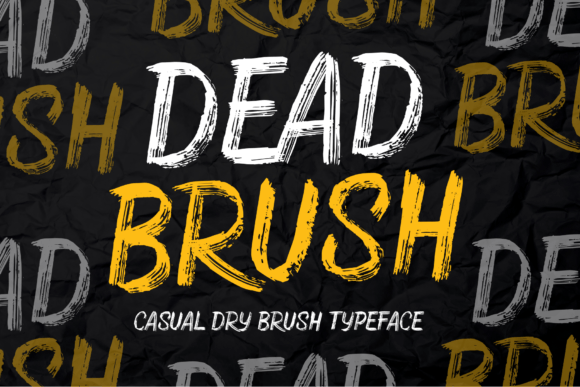
In a digital landscape saturated with clean, geometric sans-serifs, finding a typeface that offers genuine personality and warmth can be a game-changer for a project's visual impact. Dead Brush is a lovely and timeless handwritten brush font that provides exactly this kind of emotional resonance. For designers, marketers, and creators seeking to inject authenticity and human touch into their work, it represents a powerful creative asset. Its organic strokes and unique character make it far more than just a font; it's a tool for storytelling.
The true value of a typeface like Dead Brush lies in its ability to enhance visual communication and strengthen brand identity. Unlike rigid digital fonts, its handwritten quality conveys approachability, creativity, and a handcrafted sensibility. This makes it an excellent choice for projects aiming to connect on a personal level. Whether used for a full headline or as a strategic accent, it immediately elevates a design from generic to memorable, playing a crucial role in establishing a distinct visual hierarchy and modern aesthetic.
Practical Applications for Impactful Design
Integrating Dead Brush into your design workflow can transform numerous creative projects. Its versatility allows it to shine across various media, provided its use is thoughtful and aligned with the project's goals. Here are some key applications where its character can truly come alive:
- Branding and Logo Design: It can form the core of a brand's visual identity for businesses in artisanal food, boutique retail, lifestyle coaching, or creative studios. The font's personality helps craft logos that feel unique and trustworthy.
- Marketing and Social Media Graphics: For digital marketing, it grabs attention in crowded feeds. Use it for Instagram quotes, Facebook post headlines, or Pinterest pins to create eye-catching social media graphics that stand out.
- Web Design and UI Elements: While not for body text, it's superb for website hero sections, call-to-action buttons, or navigation accents, adding a layer of sophistication and guiding user experience (UX) with visual flair.
- Packaging and Editorial Design: On product labels, book covers, or magazine layouts, Dead Brush adds a tactile, premium feel. It enhances packaging design by suggesting quality and care, while in editorial design, it creates beautiful, engaging pull quotes.
Tips for Effective Typography Integration
Using expressive fonts effectively requires a strategic approach to maintain professionalism and readability. To ensure Dead Brush enhances rather than overwhelms your design, consider these guidelines:
- Prioritize Readability and Scalability: Test the font at various sizes. It works best for headlines, logos, and short phrases where its details are visible. Avoid using it for long paragraphs of body copy, where legibility can suffer.
- Establish Visual Hierarchy: Pair Dead Brush with a simple, clean sans-serif or serif font for supporting text. This contrast creates a clear hierarchy, allowing the brush font to command attention for key messages while maintaining overall clarity.
- Align with Audience and Goals: Ensure the font's style matches your target audience's expectations and the project's tone. It's ideal for brands that value creativity and authenticity but may not suit formal corporate or legal contexts.
- Consider Color and Composition: The font's impact is amplified by your color palette. It often pairs beautifully with earthy tones, muted pastels, or bold monochromes. Ensure there is enough contrast between the text and its background for maximum impact.
Ultimately, the most successful designs are built on intentional choices. Selecting a creative asset like Dead Brush is about more than just aesthetics; it's about choosing a voice for your project. By thoughtfully integrating high-quality typography with other visual elements—imagery, color, and composition—you create a cohesive and professional presentation that communicates effectively and leaves a lasting impression. Quality design assets are investments in your project's ability to connect, engage, and inspire.