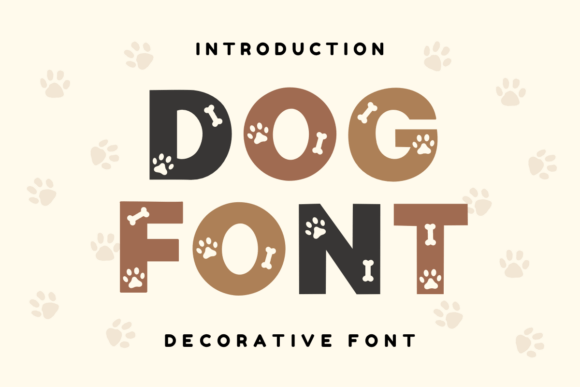
Dog Font: Playful Typography for Memorable Branding
When a design project calls for immediate warmth, personality, and a sense of fun, the right typeface can do more than just spell out words—it can tell a story. This is precisely where a decorative font like Dog shines, offering graphic designers a powerful tool to inject instant charm and thematic clarity into their work. More than just letters, it’s a visual language that speaks directly to audiences with an affectionate, tail-wagging tone.
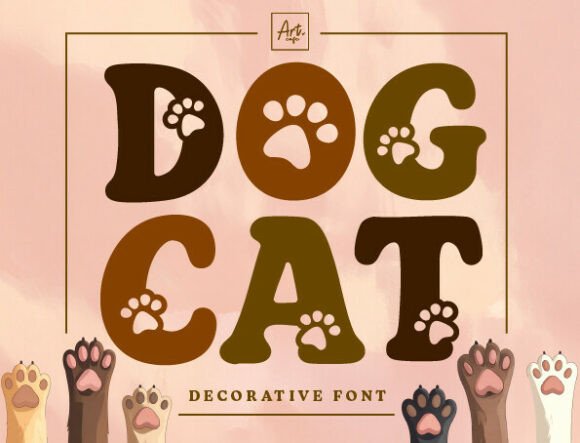
At its core, Dog is a decorative typeface inspired by the joyful spirit of man’s best friend. Its bold letterforms are cleverly integrated with iconic motifs like paw prints and bones, transforming each character into a playful graphic element. This design approach is a masterclass in thematic typography, where the font itself becomes a central part of the visual narrative. For designers working on pet-related branding, children’s educational materials, or any project needing a dose of lighthearted energy, it provides a ready-made solution that feels both authentic and engaging.
Practical Applications for Creative Projects
The true value of a typeface like Dog lies in its versatile application across various design contexts. Its distinctive character makes it particularly effective where grabbing attention and conveying a specific mood are paramount.
- Brand Identity & Logo Design: For pet stores, veterinary clinics, dog groomers, or animal rescue organizations, this font can form the cornerstone of a memorable logo. It instantly communicates the business’s focus and friendly ethos, building an emotional connection with the target audience at first glance.
- Marketing & Social Media Graphics: In the crowded space of digital marketing, visual hierarchy is key. Using Dog for headlines in social media posts, email banners, or promotional flyers ensures your message cuts through the noise. Its playful aesthetic is highly shareable, boosting engagement for campaigns related to pet adoption events, new product launches, or seasonal sales.
- Packaging & Merchandise Design: From pet food bags to dog toy labels, packaging benefits immensely from thematic typography. Dog can help a product stand out on the shelf, promising a fun experience. Similarly, it’s perfect for designing merchandise like t-shirts, mugs, or tote bags for animal charities or pet-centric brands.
- Editorial & Web Design: While primarily a display font, it can be used strategically in editorial layouts for magazines or blogs focusing on pets, adding a whimsical touch to pull quotes or section headers. In web design, it can enhance the user experience on a pet adoption site or a dog training blog, making the interface feel more inviting and less formal.
Integrating Thematic Typography with Design Principles
While a fun font is a fantastic creative asset, its effectiveness hinges on thoughtful integration with fundamental graphic design principles. A professional presentation requires more than just a novelty typeface; it demands a holistic approach to visual communication.
First, consider readability and scalability. A decorative font like Dog is ideal for large headlines and logos but may lose clarity in small body text. Always pair it with a clean, neutral sans-serif or serif font for paragraphs to maintain a clear visual hierarchy. This contrast ensures your message is both charming and legible.
Second, align the font with your broader brand identity and color palette. The playful nature of Dog pairs well with bright, cheerful colors, but it can also work with more muted, earthy tones for a rustic or natural feel. Consistency is crucial; use the font sparingly and in the right contexts to avoid overwhelming the viewer and diluting its impact.
Finally, always evaluate the font against your design goals and audience expectations. Is the tone appropriate for the project? Does it resonate with the intended demographic? A font that perfectly suits a children’s pet book might not be the right choice for a high-end, minimalist pet accessory brand. The key is to use such creative assets not as a crutch, but as a deliberate choice to enhance storytelling and emotional resonance.
In the ever-evolving landscape of design trends, choosing assets that serve a clear purpose is what separates good design from great communication. A thoughtfully selected typeface like Dog does more than decorate; it builds a bridge between the brand and its audience, turning ordinary text into an experience. By prioritizing quality creative assets and applying them with strategic intent, designers and creators can elevate their projects, ensuring they are not only seen but truly felt and remembered.